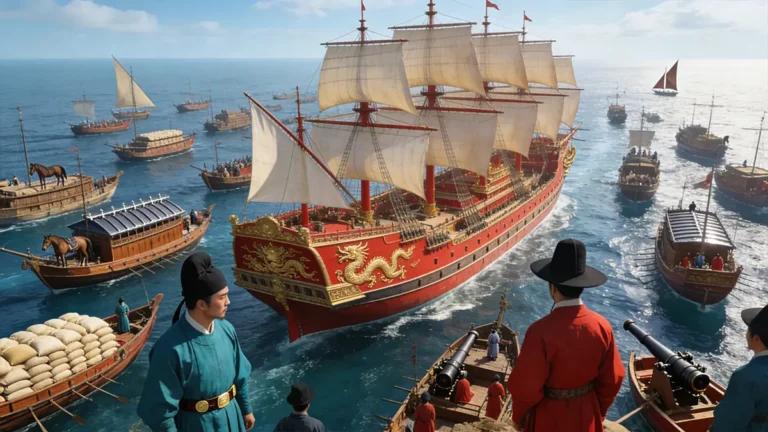
How Ming Dynasty Sailors Beat Scurvy: Ancient TCM Secrets of the Treasure Fleet
The first time I read this piece of history, I almost thought someone was making it up.
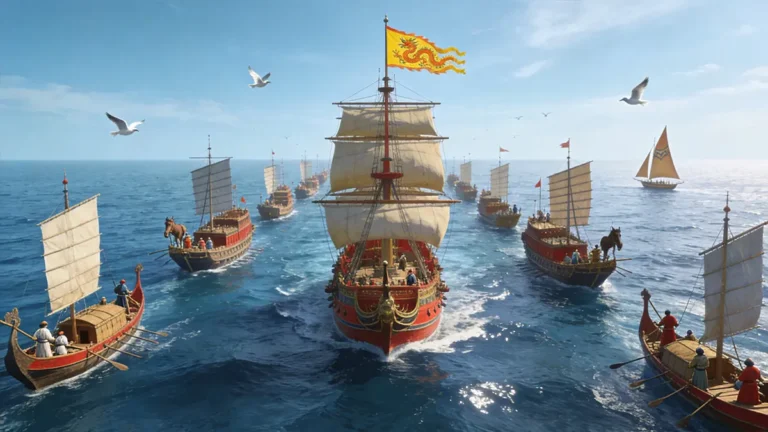
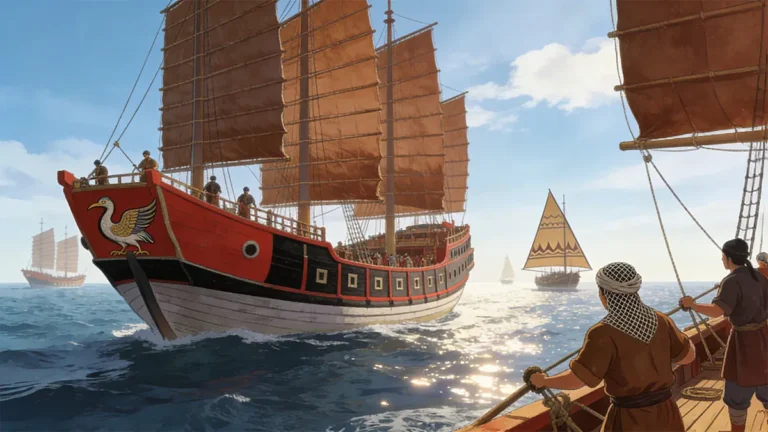
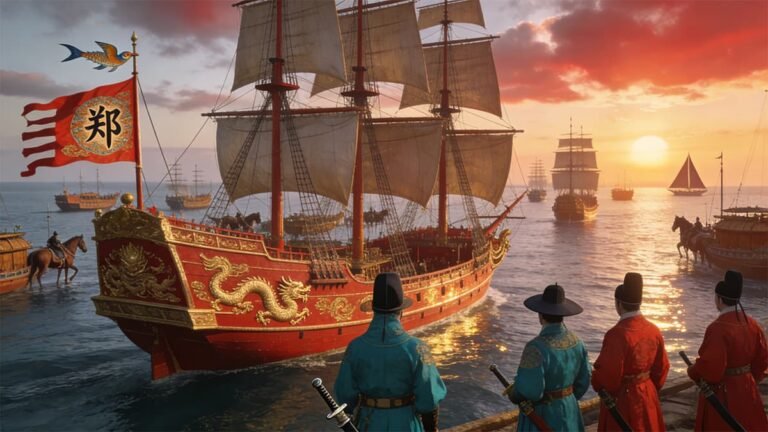
Imagine this: In 1520, Magellan’s crew were dying by the dozens—gums rotting, skin bruising purple, bodies too weak to stand—until they ended up tossed overboard like old rags. Yet over a century earlier, Zheng He had sailed the Indian Ocean for more than two years with 27,000 men, and almost none of them got scurvy? It sounds less like naval history and more like they were running a floating supermarket.
But when I pulled out that yellowed copy of Yingya Shenglan (The Marvels of the Western Seas) and saw the ship’s interpreter Ma Huan casually note, “On board, we ate vegetables daily, with bean sprouts as our staple,” it dawned on me: this wasn’t bragging. It was genuine ancient “biohacking.”
That clay jar? It was the ark of vitamin C.
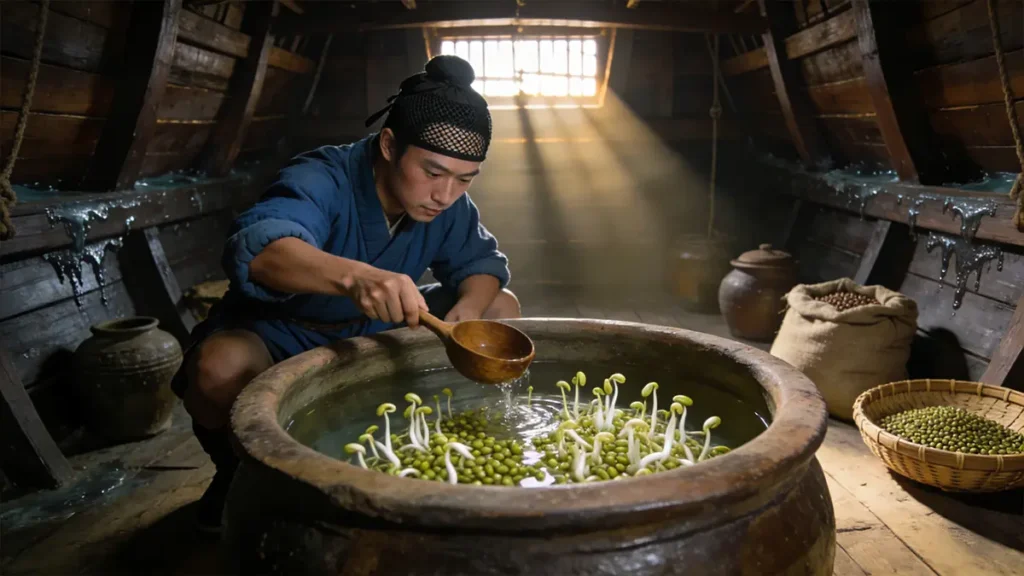
Don’t underestimate bean sprouts. Today, they’re just a salad garnish. But aboard Zheng He’s treasure ships in 1405, they were a lifeline worth more than silver.
Picture the scene: the stifling hold, wooden planks swollen from seawater, endless brine in the air. Yet tucked in a corner sat a coarse earthenware jar, mung beans quietly sprouting inside. Sailors changed the water daily, tending them like newborn infants—because this humble crop truly held the power to save lives.
Modern nutrition tells us dried mung beans contain almost no vitamin C. But once sprouted for 72 hours, every 100 grams delivers about 13 milligrams (per the USDA FoodData Central). Not much? Maybe. But eat two handfuls a day alongside other foods, and you’ve got enough to keep scurvy at bay. Meanwhile, European sailors chewed on rock-hard ship’s biscuit and drank sour beer until their teeth fell out.
Even better: this system needed no sunlight, no soil—just fresh water and time. Compare that to 18th-century British sailors forced to chug lemon juice so mouth-puckeringly sour they’d wince—and which often spoiled in transit. Zheng He’s crew, by contrast, quietly “farmed” fresh greens below deck with an elegance that still makes me envious.
The scent aboard the ship held the secret to survival
If you could step onto Zheng He’s treasure ship, your first impression might not be its size—but its smell.
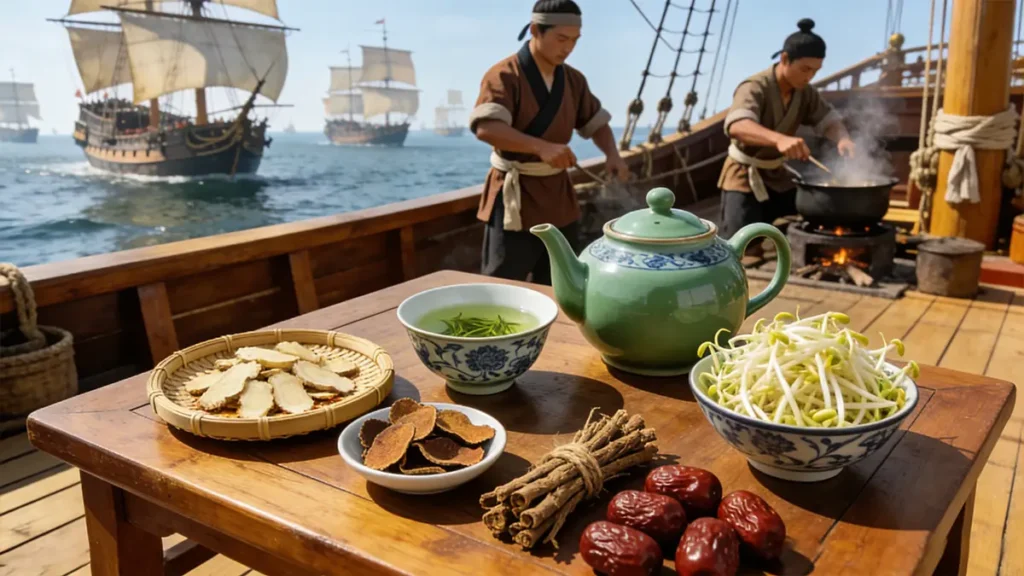
European vessels reeked of rotting meat, sweat, and mold. But on Ming ships, you’d catch the gentle aroma of tea. Lu’an or Songluo leaves bubbled in copper kettles; sailors sipped from coarse porcelain bowls. This wasn’t about refinement—it was survival: water had to be boiled, tea kept minds sharp, and its antioxidants helped fight fatigue.
Ginger was everywhere. Fresh knobs sliced thin and laid out on bamboo trays to dry. Seasick? Chew a slice. Stomach uneasy? Brew ginger tea. This “ginger for seasickness” trick needed no medical manuals—it was baked into daily life.This efficient storage was made possible by the unique Ming Dynasty treasure ship design, which included specialized compartments for various supplies.
Then there were dried tangerine peels, licorice root, jujubes… These weren’t locked in mysterious cabinets but stored right beside rice and flour. The fleet’s medical officer—more nutritionist than mystic—oversaw meals to keep crews strong, not just treat them when they fell ill. This was Traditional Chinese Medicine for sailors in action: prevent first, cure never. Eat fresh, not preserved.
Not by miracles—but by systems
Of course, bean sprouts and tea alone couldn’t sustain 27,000 people across two years at sea. Zheng He’s real genius lay in building a full maritime survival system.
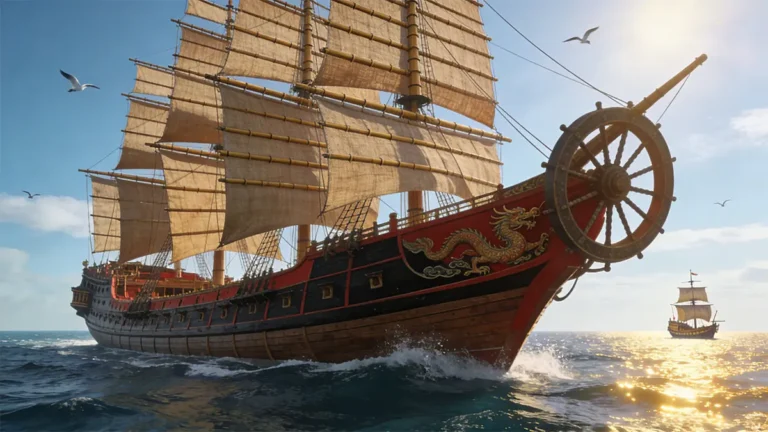
The treasure ships themselves held a secret weapon: watertight bulkheads. The hull was divided into over a dozen sealed compartments. Even if the ship struck a reef, only one or two sections flooded—leaving grain, tea, and herbs safe and dry. Europe wouldn’t adopt this design on a large scale until the 18th century, centuries after Zheng He’s fleet sailed.
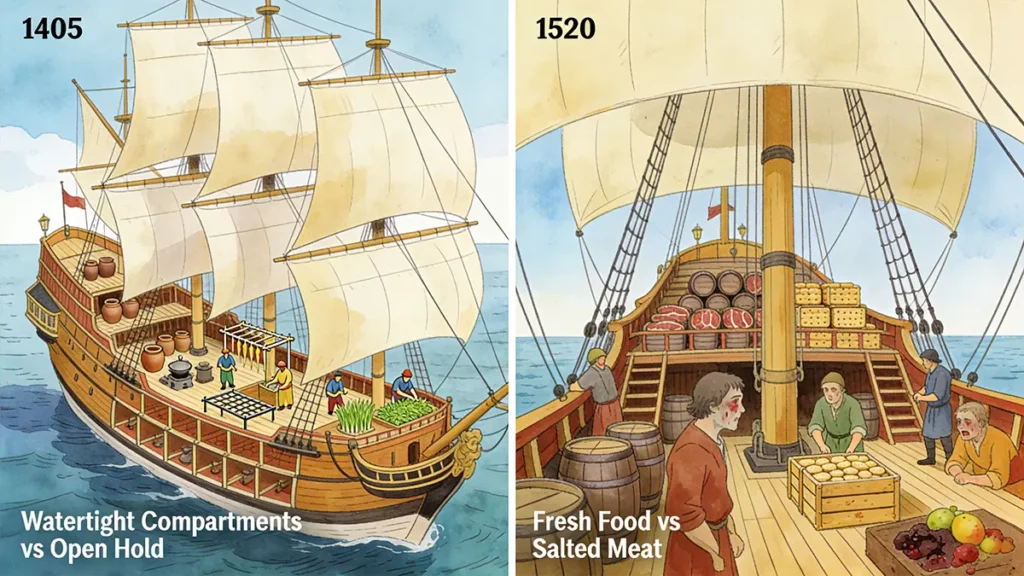
And they never tried to go it alone. The fleet stopped regularly—at Malacca, Calicut, Hormuz—trading silk for fresh food. Fei Xin wrote in his Xingcha Shenglan (Star-Ship Travelogue): “Locals offered fruits—mostly citrus and jackfruit.” That steady resupply kept their fresh water management and nutrition in balance, turning each port into a lifeline.
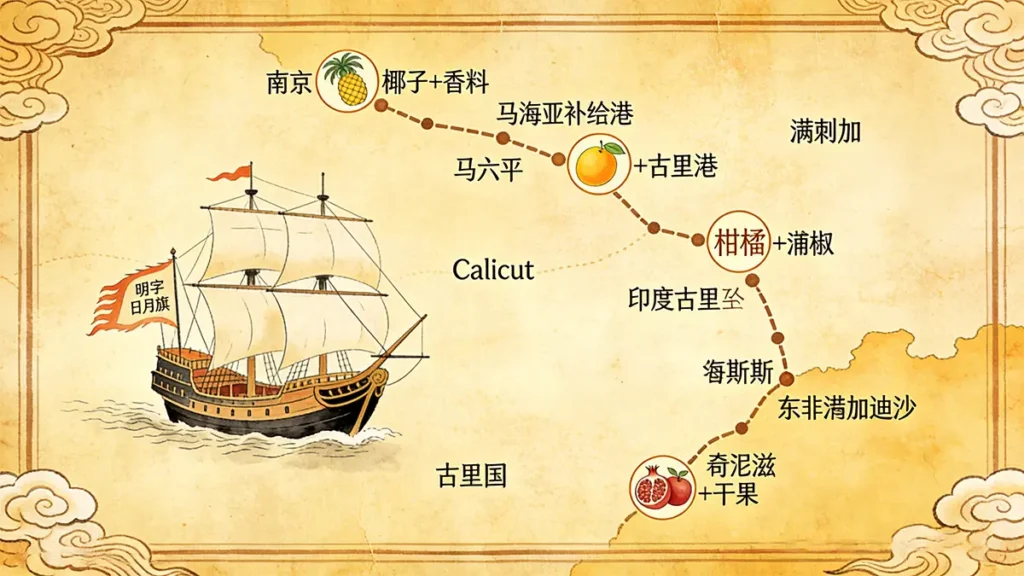
Joseph Needham devoted pages to this in his Science and Civilisation in China. He argued that Chinese practices in preventive medicine outpaced the West by centuries. What stunned me wasn’t the tech—it was the calm confidence. Preventing disease wasn’t heroic. It was as ordinary as breakfast.
Why did the world forget?
Strangely, this knowledge never reached Europe. Partly because the Ming later turned inward with sea bans. Partly because Western historians long treated “science” as their exclusive inheritance.
So when James Lind “discovered” in 1747 that citrus cured scurvy, he became a hero. Yet Zheng He’s sailors had already solved the problem in 1405—with bean sprouts, green tea, and ginger—and history barely blinked.
Today, when we talk about Ancient Maritime Medicine or TCM History at Sea, we shouldn’t fixate on acupuncture or exotic potions. The real wisdom lived in that clay jar in the hot hold, in the ginger drying on deck, in the daily ritual of boiling tea.
600-year-old habits you can use today
You don’t need a treasure ship to borrow these tricks.
- Grow bean sprouts at home—they’re ready in three days, cost pennies, and pack a real vitamin C punch.
- Swap sugary drinks for green tea: it sharpens focus and supports heart health.
- Next time you’re motion-sick, try a sliver of raw ginger. It’s gentler than pills, and far older.
These habits sound simple—almost quaint. But it was precisely this quiet, everyday wisdom that let Zheng He’s fleet cross oceans while others sank under preventable disease.
And so, the next time you crunch into a fresh bean sprout, remember: 600 years ago, someone used it to win a war no one else even saw coming.
That, perhaps, is the true legacy of Zheng He Treasure Fleet Medicine—not miracles, but deep respect for life, served daily in a bowl of sprouts and a cup of hot tea.