Did Zheng He Go to Mecca? Separating Historical Fact from Legend
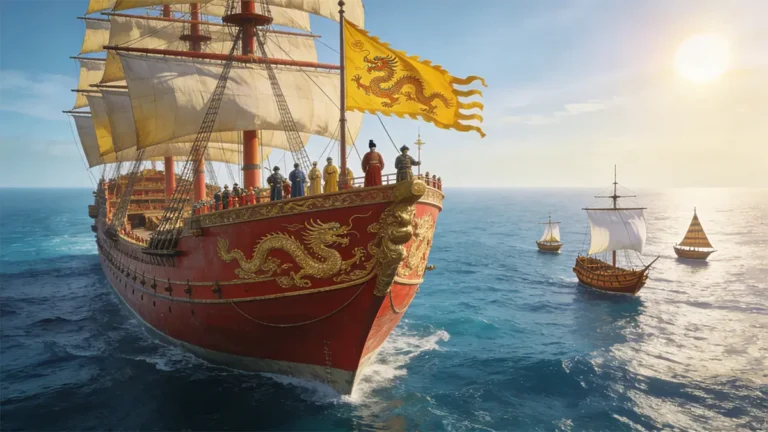
Historians now have a relatively clear answer to the question: Did Zheng He go to Mecca? Zheng He’s fleet did indeed reach the vicinity of the Arabian Peninsula, but Zheng He himself most likely never set foot on Meccan soil.

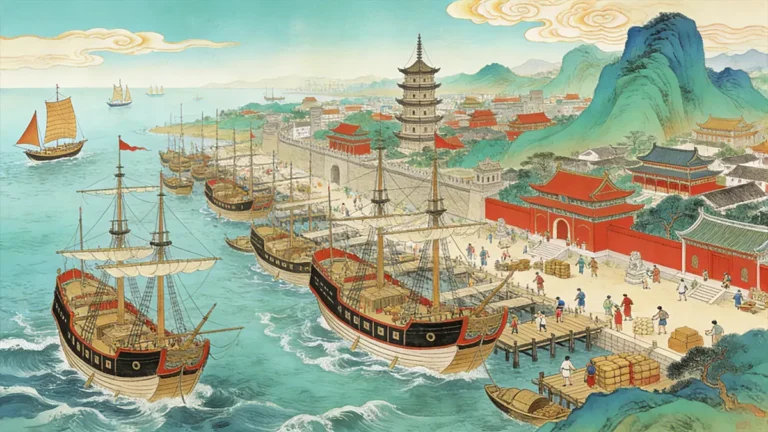
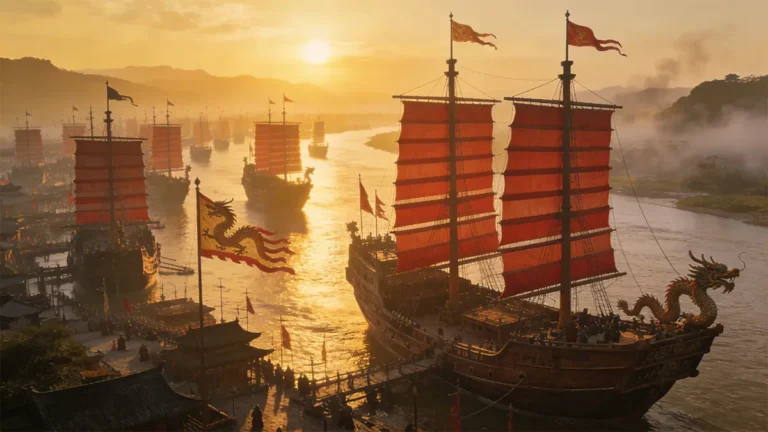
This conclusion rests on extant Ming dynasty archives and records from accompanying personnel. Between 1405 and 1433, Zheng He led seven voyages. During his final expedition from 1431 to 1433, the fleet reached Calicut in India. According to the Yingyai Shenglan, Zheng He dispatched a seven-member delegation to Mecca from there, rather than traveling there himself.
This distinction matters. It separates “the fleet’s arrival” from “personal pilgrimage.” Many readers wonder why Zheng He, as a descendant of Muslims, did not personally complete the Hajj. Understanding this decision requires examining specific historical evidence and seeing what contemporary records actually state.
Silences and Clues in Historical Records
The extant official Ming dynasty history, the History of Ming, contains no record of Zheng He personally performing the Hajj. This work primarily focuses on political diplomacy and tribute trade, with scant documentation of individual religious activities.

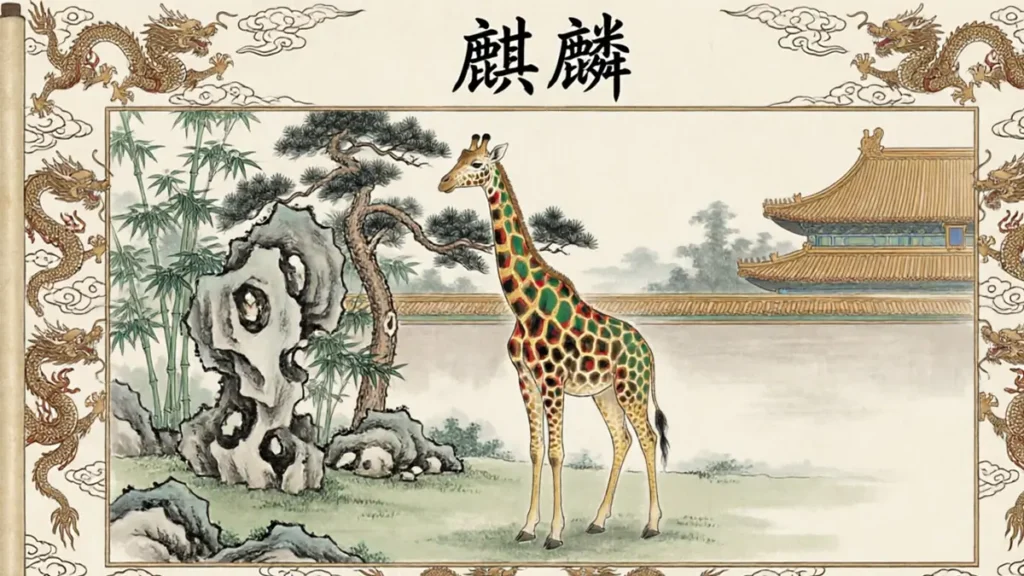
More direct evidence comes from Zheng He’s accompanying interpreter, Ma Huan. He authored the Yingyai Shenglan (The Overall Survey of the Ocean’s Shores), considered a primary source for studying Zheng He’s voyages. Ma Huan, a Muslim himself, provided detailed descriptions of Mecca’s customs and geography. However, he explicitly states that it was other members of the mission who traveled to Tianfang (Mecca) and brought back giraffes and spices. Ma Huan makes no mention of Zheng He leaving the ship.
Beyond textual sources, there is also stele evidence. In 1431, before departure, Zheng He erected a stele titled “Record of Foreign Encounters at the Tianfei Temple in Liujiagang.” The inscription mentions destinations reached during the voyages, using the term “Western Regions.” In the Ming dynasty context, “Western Regions” typically referred to Central Asia and sometimes broadly to Western territories, but it did not specifically denote Mecca. The inscription primarily emphasized the boundless grace of imperial favor, not personal religious beliefs.
Given that historical records offer no explicit support for his personal pilgrimage, why does this legend persist? The answer lies in the complex identity politics surrounding Zheng He.
Muslim Identity vs. Imperial Duty: Did Zheng He Go to Mecca?
Zheng He was born into a Muslim family in Yunnan. Both his father and grandfather had made the pilgrimage to Mecca, earning them the honorific title”Hajji.”Zheng He himself bore a Muslim name: Hajji Mahmud Shams.
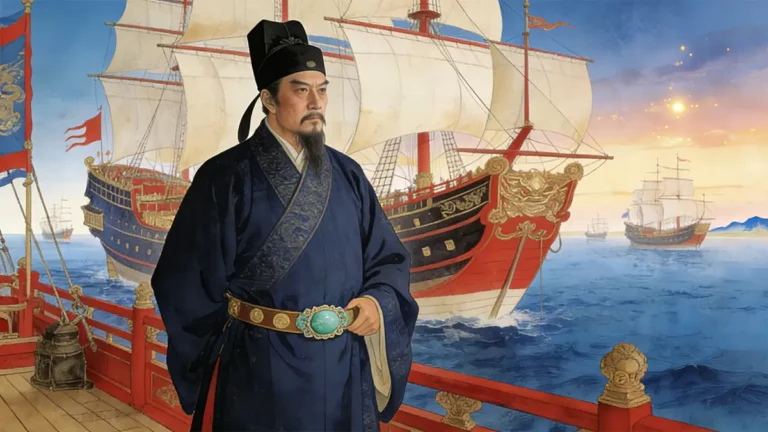
This family background gave him a natural emotional connection to Mecca. However, his political identity was that of a eunuch and naval commander of the Ming Empire. His mission was to execute the Yongle Emperor’s foreign policy and establish a tribute system, not to engage in private religious activities.
As Western sinologist Edward Dreyer noted in his biography Zheng He: China and the Oceans in the Early Ming Dynasty, Zheng He’s primary duty was ensuring the fleet’s safety and mission completion. As fleet commander, leaving the flagship to visit inland holy sites posed security risks and could create a command vacuum.
This tension between duty and faith left room for later generations’imagination. People preferred to believe he completed the pilgrimage because it aligned with the image of a cultural hero. This psychological need, combined with the vagueness of historical records, gave rise to numerous unverified claims.
Pseudo-History and Global Perspectives: A Critical Analysis
Over the past two decades, discussions about Zheng He have transcended academic circles and entered the realm of popular culture. British author Gavin Menzies published his book 1421: The Year China Discovered the World in 2002. This work claims that Zheng He’s fleet discovered the Americas and even circumnavigated the globe.
While a bestseller in the West, the book faced widespread criticism from mainstream historians. Scholars pointed out its lack of credible archaeological evidence or documentary support. Legends about Zheng He’s voyage to Mecca are also sometimes exaggerated in such pseudo-historical works.
We must distinguish academic research from popular fiction. The scholarly consensus holds that Zheng He’s fleet reached as far as the East African coast and Hormuz in the Arabian Peninsula. Regarding Mecca, only detachments are recorded as having arrived. This distinction does not diminish Zheng He’s achievements; rather, it makes history more authentic.
True history is often more complex than legend. Even without personally performing the pilgrimage, the impact of Zheng He’s voyages remains profound.
Diplomatic Legacy Outweighs Religious Endeavors
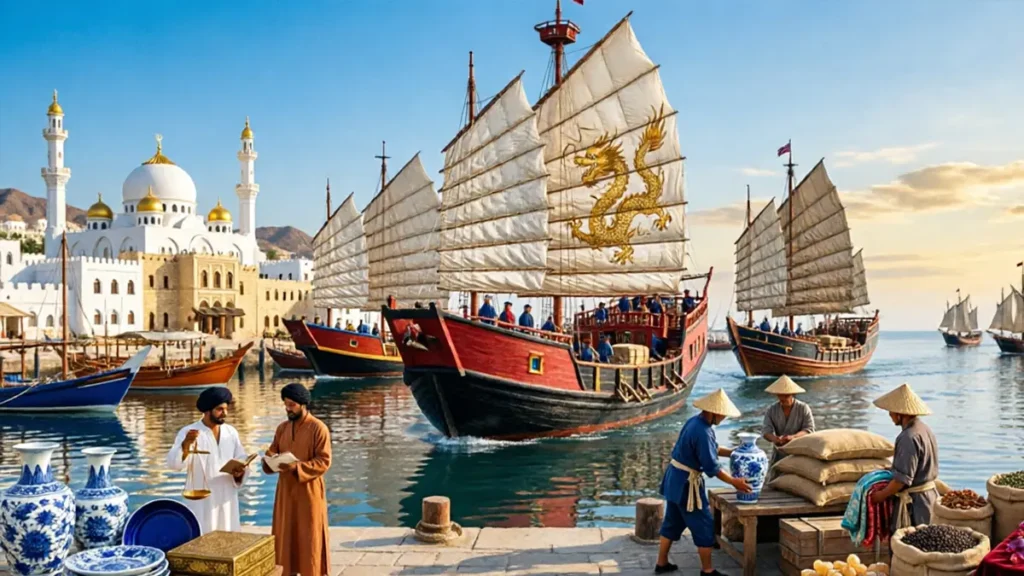
The significance of Zheng He’s voyages extends far beyond reaching religious sites. His fleet brought back geographical knowledge, spices, medicinal herbs, and envoys from the”Tianfang”(Arabia). These exchanges shattered the Ming Dynasty’s existing worldview and fostered trade between the Islamic world and East Asia.
In Saudi Arabian museums, exhibitions on the ancient Maritime Silk Road still reference the Ming Dynasty’s trading partners. While Zheng He’s personal footsteps may not be explicitly mentioned, the trade networks of that era undeniably existed.
For modern readers, fixating on the specific act of Did Zheng He go to Mecca? is less valuable than examining the connections he forged. He demonstrated that large-scale maritime diplomacy was feasible in the 15th century. This capacity for cross-cultural exchange holds greater historical significance than any individual’s religious observances.
Historical research continually evolves with new evidence. Should future discoveries yield Arab manuscripts or Ming archives, conclusions may be revised. For now, however, analysis grounded in existing evidence remains the most reliable approach.
Frequently Asked Questions (FAQ)
References and Data Sources
- Dreyer, Edward L. (1996). Zheng He: China and the Oceans in the Early Ming Dynasty, 1405–1433. Longman. (Authoritative Biography)
- Mills, J.V.G. (1970). Ma Huan: Ying-yai Sheng-lan, The Overall Survey of the Ocean’s Shores. Cambridge University Press. (Translation of primary historical source)
- Encyclopedia Britannica. “Zheng He”. (Basic fact verification)
- National Palace Museum, Taipei. “Treasures of the Sea: Zheng He’s Voyages”. (Artifact and inscription materials)