How Ming China’s Tributary System Impacted Southeast Asian Trade
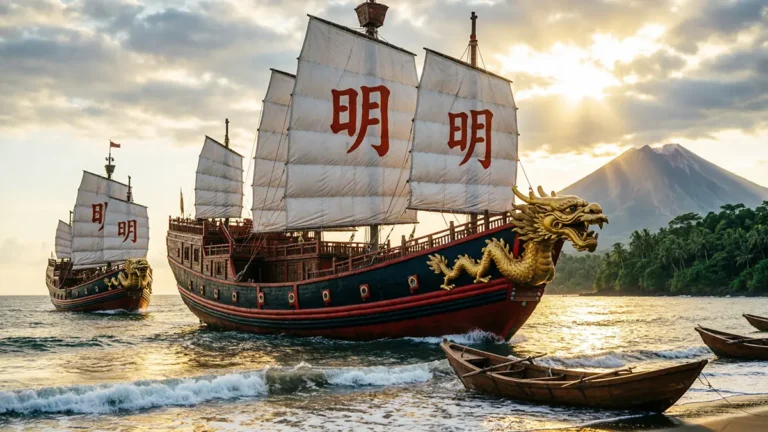
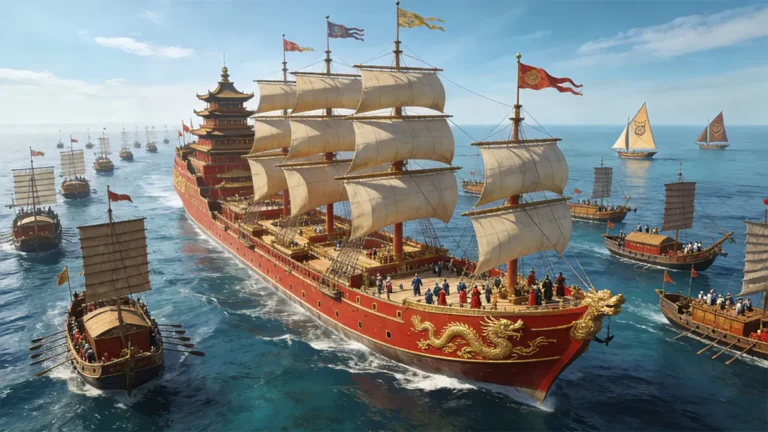
The 15th-century Southeast Asian trade network did not emerge spontaneously but was profoundly shaped by political forces. The Ming Dynasty Tributary System served as the central framework for regional economic integration during this period. According to the Ming Shilu (Veritable Records of the Ming Dynasty), a total of 62 Southeast Asian states sent diplomatic missions to Beijing during the Yongle era (1403–1424). [Source: Veritable Records of the Ming Dynasty, Volume on Emperor Taizong]. These official interactions directly determined which ports would flourish and which commodities would circulate. The rise of the Strait of Malacca and the spread of Chinese porcelain were both closely linked to the operation of this system. Although modern perspectives often view this as political submission, archival records indicate that trade permits were the actual driving force behind participation.
To understand this economic impact, one must first clarify the specific rules of entry into the system.
The Mechanism of the Tribute System: Political Legitimacy and Trade Permits
The Ming court did not dispatch permanent officials directly to Southeast Asia; instead, it controlled trade access through the”kanhe”system. Each country authorized to trade received a set of kanhe tally tablets with specific serial numbers, consisting of a master register and the tally tablets themselves. Goods were permitted to enter designated ports for trade only when the tally tablets carried by the diplomatic mission matched exactly with those on file at the Ministry of Rites. [Source: The Cambridge History of China: The Ming Dynasty]. This design was originally intended to prevent pirates from impersonating envoys, but it objectively created a form of”trade licensing”system.
States possessing tally tablets gained a significant competitive advantage. For example, after the Kingdom of Malacca received investiture from the Ming Dynasty in 1405, its merchant ships enjoyed preferential treatment at Chinese ports compared to neighboring states that had not received such investiture. This differential treatment compelled many Southeast Asian rulers to actively seek tributary relations in exchange for market access. The Ming Dynasty Tributary System thus became a mechanism for allocating scarce resources, rather than a mere exchange of ceremonial courtesies.

However, strict control over official channels did not completely monopolize maritime traffic.
The Economic Rise of Southeast Asian Ports and the Flow of Goods
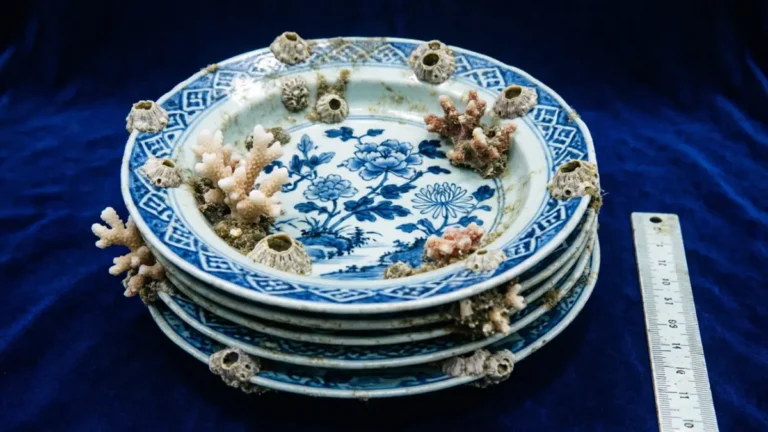
In the Strait of Malacca, the tribute system directly translated into port prosperity. In his 1512 work The Suma Oriental, the Portuguese apothecary Tomé Pires recorded that as many as several dozen Chinese merchant ships were regularly stationed in the port of Malacca, primarily trading silk and porcelain. [Source: The Suma Oriental by Tomé Pires]. Archaeological evidence further supports this view: the number of Ming Dynasty blue-and-white porcelain pieces found in shipwrecks off the coast of Southeast Asia showed a significant upward trend in the early 15th century.
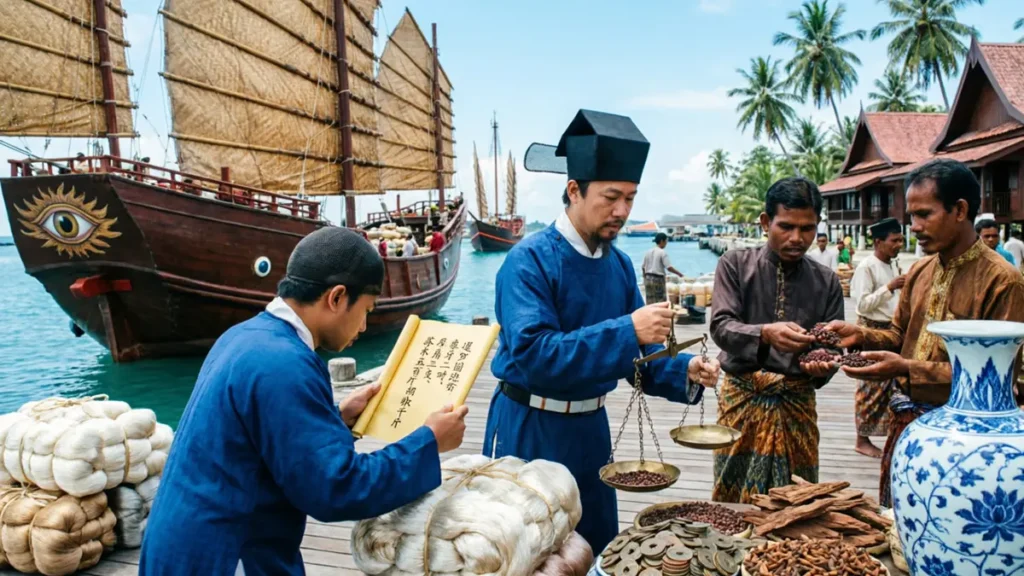
The composition of traded goods reflected the complementary needs of both sides. Chinese exports consisted primarily of manufactured goods, including raw silk, porcelain, and copper coins; while Southeast Asia supplied raw materials such as pepper, cloves, and logwood. Notably, from the mid-Ming Dynasty onward, silver began flowing into China through Southeast Asian trade networks. [Data source: Global Silver Trade Database]. This monetary flow indicates that by the later stages of the tribute trade, it had become deeply integrated into the global financial system, extending beyond mere barter.
Behind the prosperity documented in official records lies another force that has not been fully recorded.
The Paradox of the Maritime Ban and Private Trade
The Ming government implemented a”maritime ban”(Haijin) on several
occasions, prohibiting private citizens from sailing to sea without authorization. However, this did not halt trade; instead, it spurred the formation of smuggling networks. Yuegang Port (Fujian) served as a hub for private trade until it was partially opened in 1567. Historians estimate that the volume of private trade may have exceeded that of official tribute trade during the late Ming period. [Source: Takeshi Hamashita, The Tribute System and Modern Asia].
This contradiction between official restrictions and popular demand gave rise to a unique trade ecosystem. Southeast Asian merchants often used tribute missions as cover to smuggle private goods for trade. Local Ming officials would sometimes turn a blind eye to such activities in order to secure tax revenue or local benefits. In practice, the Ming Dynasty Tributary System gradually evolved into a hybrid system where official and private interests coexisted.
The impact of this hybrid trade model did not disappear with the fall of the Ming Dynasty.
The Connection Between Historical Heritage and Modern Trade Networks
The trade routes established during the Ming Dynasty provided the foundational framework for the later Dutch East India Company. Many port cities that emerged during the Ming Dynasty, such as Bangkok and Manila, remain regional trade hubs to this day. Contemporary scholars often cite the Ming Dynasty’s tribute system as a historical reference when analyzing the Belt and Road Initiative, even though the political logic underlying the two is fundamentally different. [Source: Council on Foreign Relations report].
Understanding this historical period helps shed light on the resilience of Southeast Asian trade networks. Political frameworks may change, but trade flows based on geography and economic complementarity tend to be enduring. The experience of the Ming Dynasty demonstrates that the key to regional trade stability lies in balancing official regulations with actual market demands.
To further address common questions, the following provides direct answers to key issues.
Frequently Asked Questions (FAQ)
References & Data Sources
- Ming Veritable Records (Ming Shilu), Academia Sinica, Institute of History and Philology.
- Pires, Tomé. The Suma Oriental of Tomé Pires. Hakluyt Society, 1944.
- Brook, Timothy. The Troubled Empire: China in the Yuan and Ming Dynasties. Harvard University Press, 2010.
- Hamashita, Takeshi. China, East Asia and the Global Economy: Regional and Historical Perspectives. Routledge, 2008.
- Global Silver Flow Database, University of Cambridge.
- Council on Foreign Relations. Historical Perspectives on China’s Belt and Road Initiative. 2021.